



Do You Need to Reseal Concrete in 2026? WA Climate Guide
Blog post Updated: 26/1/2026 by Handmade Concreting
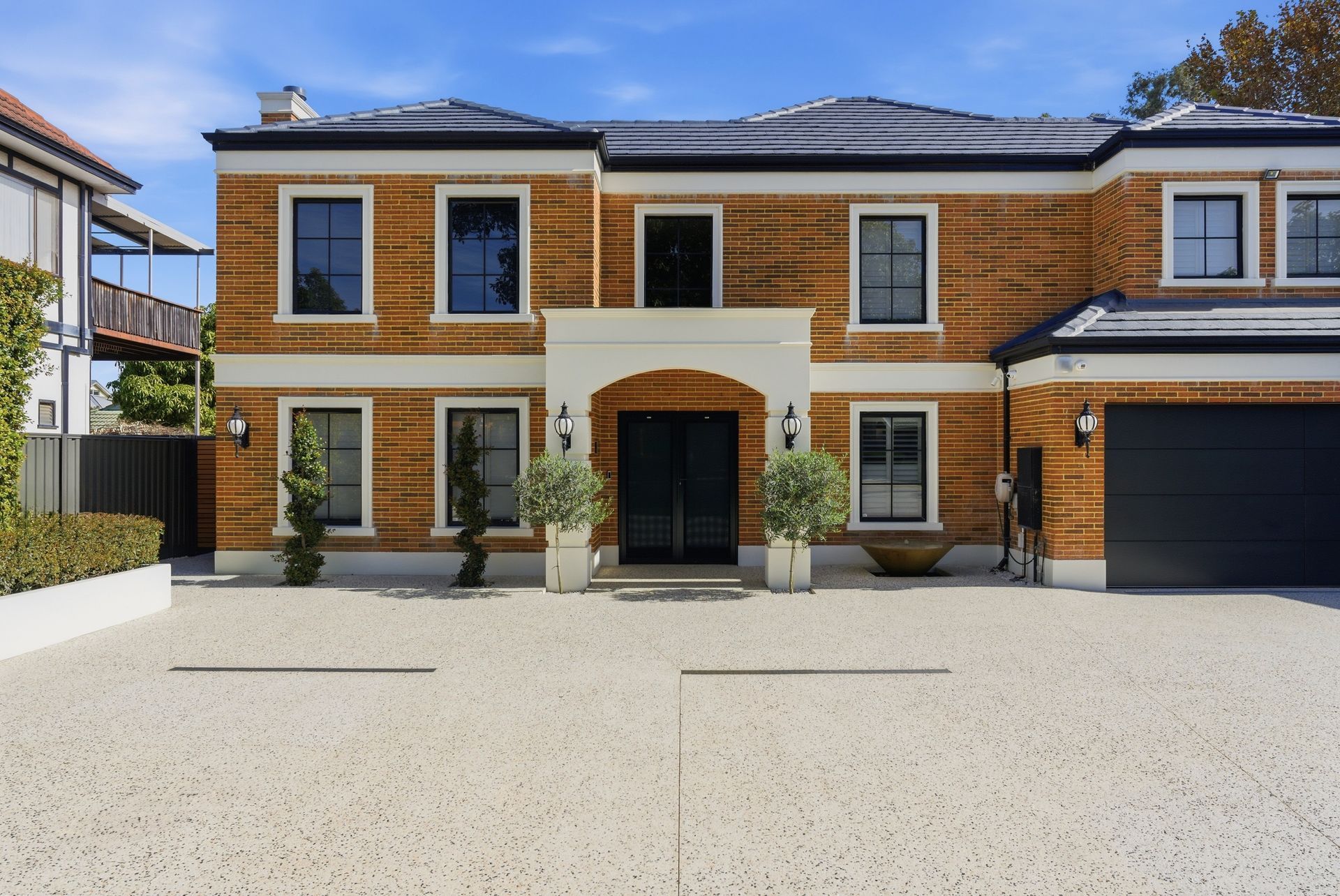
Perth’s climate is tough on outdoor surfaces. Constant UV exposure, hot summers, winter rain and coastal salt air can all wear down concrete over time. That’s why one of the most common questions homeowners ask in 2026 is:
“Do I need to reseal my concrete?”
The short answer is yes — most decorative concrete surfaces require resealing every few years to maintain durability, colour and protection.
In this WA climate guide, we explain when to reseal concrete, signs your sealer is failing, and how proper sealing helps extend the lifespan of your driveway, patio, alfresco or pool surrounds.
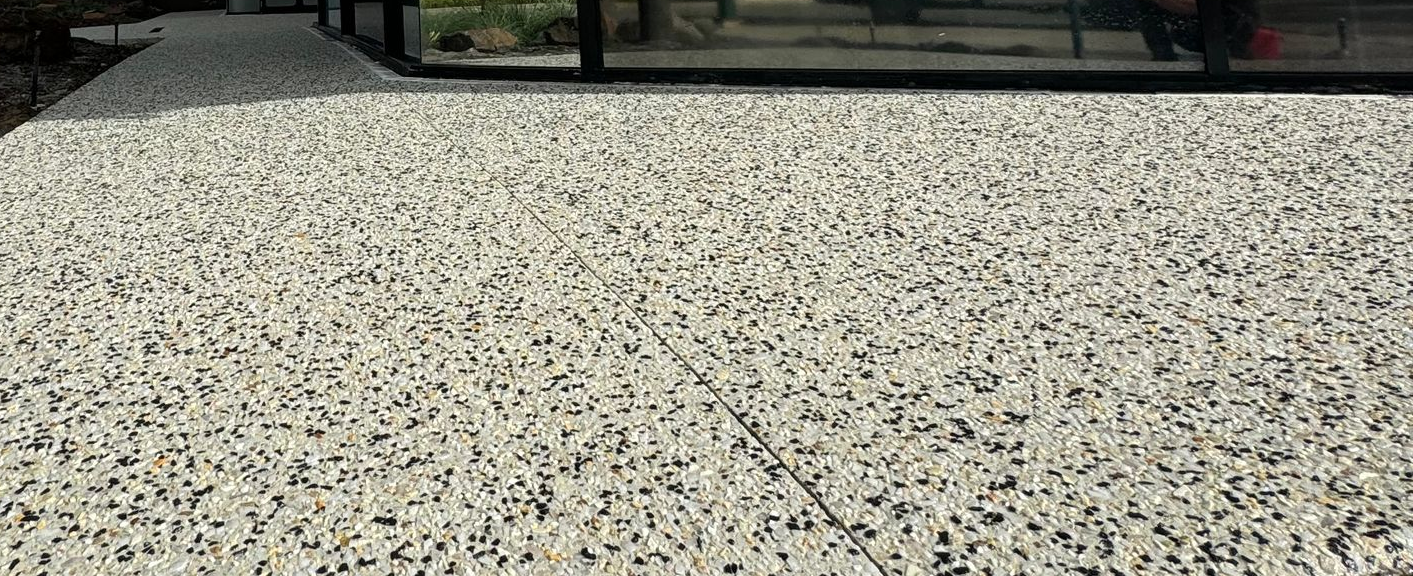
Table of Contents
- Why Concrete Sealing Matters in Perth
- What Does Concrete Sealer Actually Do?
- How Often Should Concrete Be Resealed?
- Signs Your Concrete Needs Resealing
- What Happens If You Don’t Reseal Concrete?
- Resealing Different Concrete Finishes
- Coastal WA Concrete Sealing Considerations
- Best Time of Year to Reseal Concrete in Perth
- Why Professional Sealing Matters
- FAQs
1. Why Concrete Sealing Matters in Perth
Concrete may be strong, but it is still porous.
Without sealing, moisture, UV exposure and staining substances can penetrate the surface over time.
In Perth, outdoor concrete regularly faces:
Intense summer sun
Heavy UV exposure
Rain and moisture intrusion
Salt air in coastal suburbs
Pool chemicals around outdoor areas
This gradually breaks down the surface and dulls decorative finishes.
Professional sealing acts as a protective barrier that helps preserve both appearance and structural performance.
2. What Does Concrete Sealer Actually Do?
A quality concrete sealer helps:
- Protect against stains and oil penetration
- Reduce moisture absorption
- Minimise surface fading
- Improve durability
- Enhance decorative finishes
- Extend the life of the concrete
For decorative finishes like
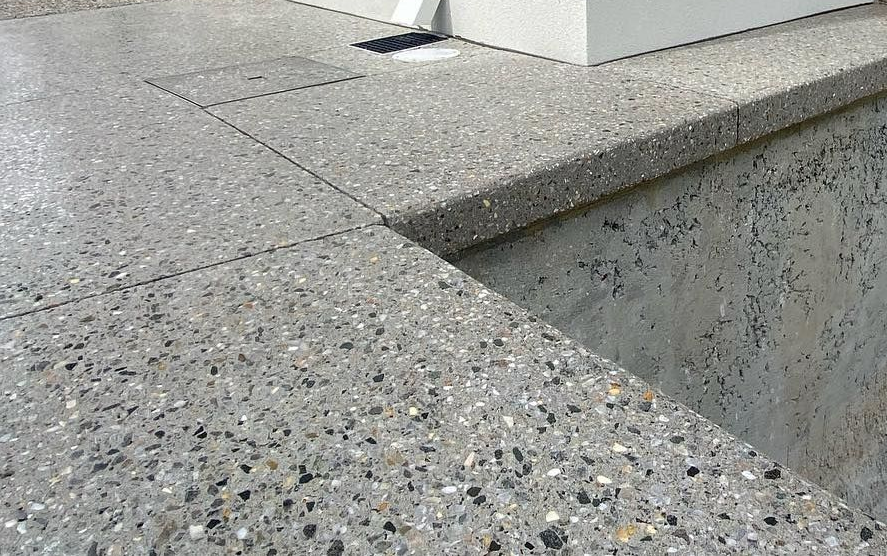
honed concrete and exposed aggregate, sealing is essential to maintain colour depth and surface integrity.
3. How Often Should Concrete Be Resealed?
In most Perth conditions:
Concrete should be resealed every 3–5 years
However, this depends on:
- Sun exposure
- Traffic levels
- Coastal conditions
- Type of finish
- Quality of previous sealer
Pool surrounds and driveways often require more regular maintenance because they experience heavier wear.
4. Signs Your Concrete Needs Resealing
Several warning signs indicate your concrete may need resealing.
Fading Colour
Decorative concrete losing its richness or depth is often the first sign the sealer is wearing away.
Water Absorbs Instead of Beading
If water no longer beads on the surface and instead darkens the concrete, the protective barrier may be gone.
Surface Looks Dry or Chalky
Concrete should not appear dusty or excessively porous.
Staining Occurs Easily
Oil, leaves or dirt soaking into the surface usually indicates failed sealing.
Increased Surface Wear
High-traffic areas may begin looking rough or worn.
5. What Happens If You Don’t Reseal Concrete?
Width depends on intended use.
Typical Perth side access widths:
- 900mm–1200mm for pedestrian walkways
- 1500mm+ for bin movement and wider access
- 2500mm+ for trailers or vehicle access (where possible)
Even narrow spaces can be highly functional with smart design.
6. Resealing Different Concrete Finishes
Different finishes have slightly different sealing needs.
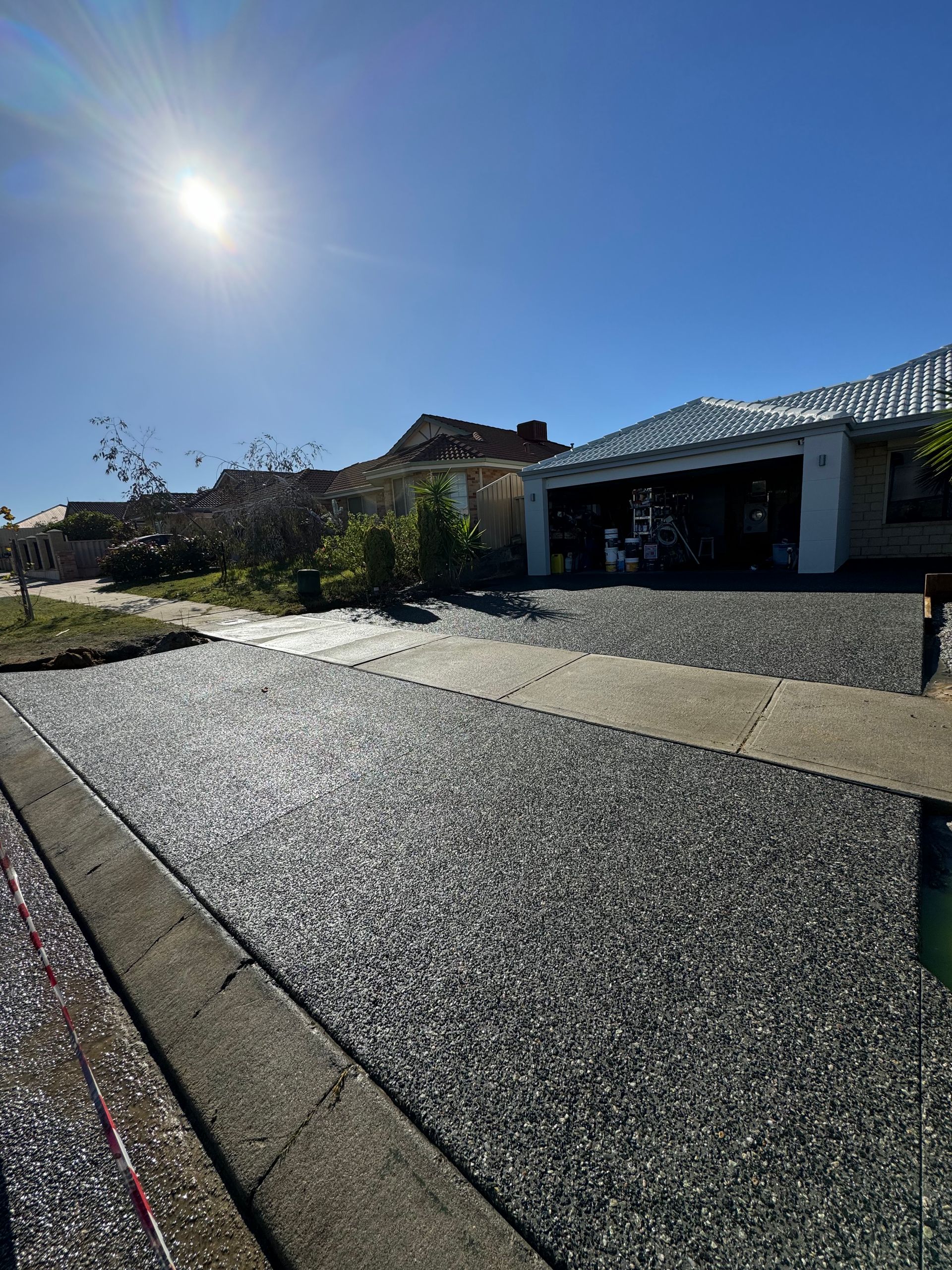
Exposed Aggregate
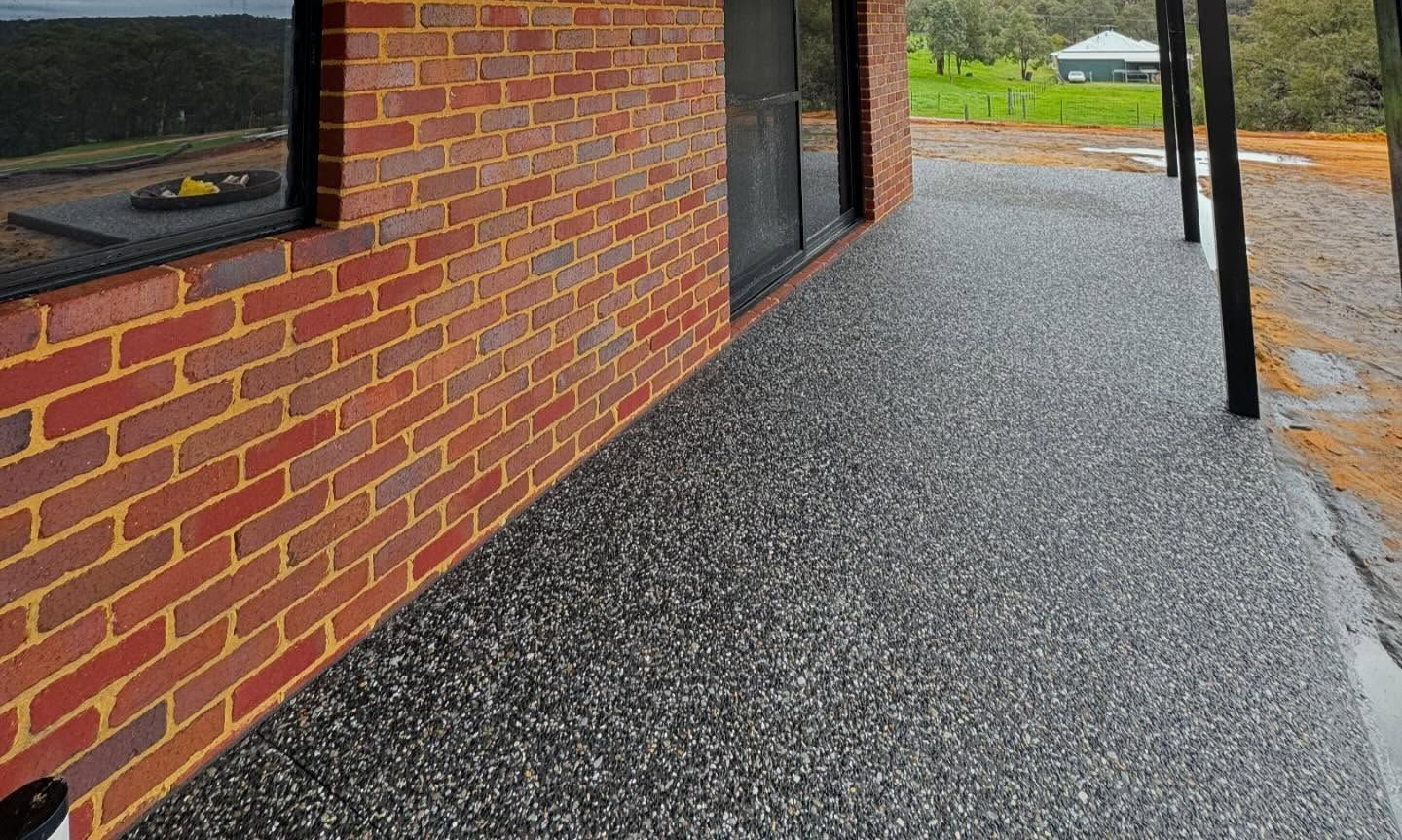
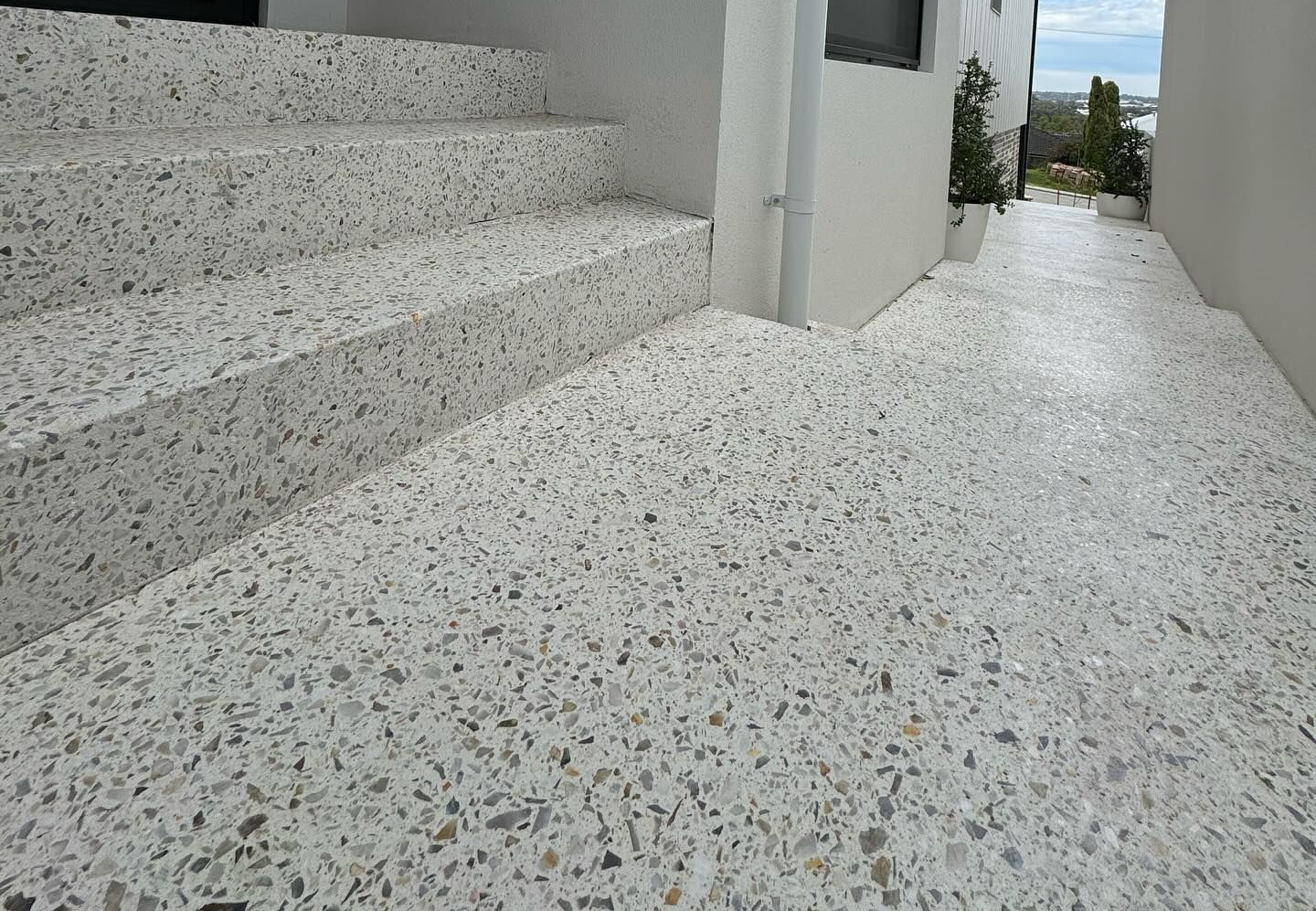
Exposed aggregate should be resealed regularly to maintain colour vibrancy and protect exposed stones from wear.
Honed Concrete
Honed concrete relies heavily on sealing to maintain its refined appearance and protect the smooth surface.
This is especially important for:
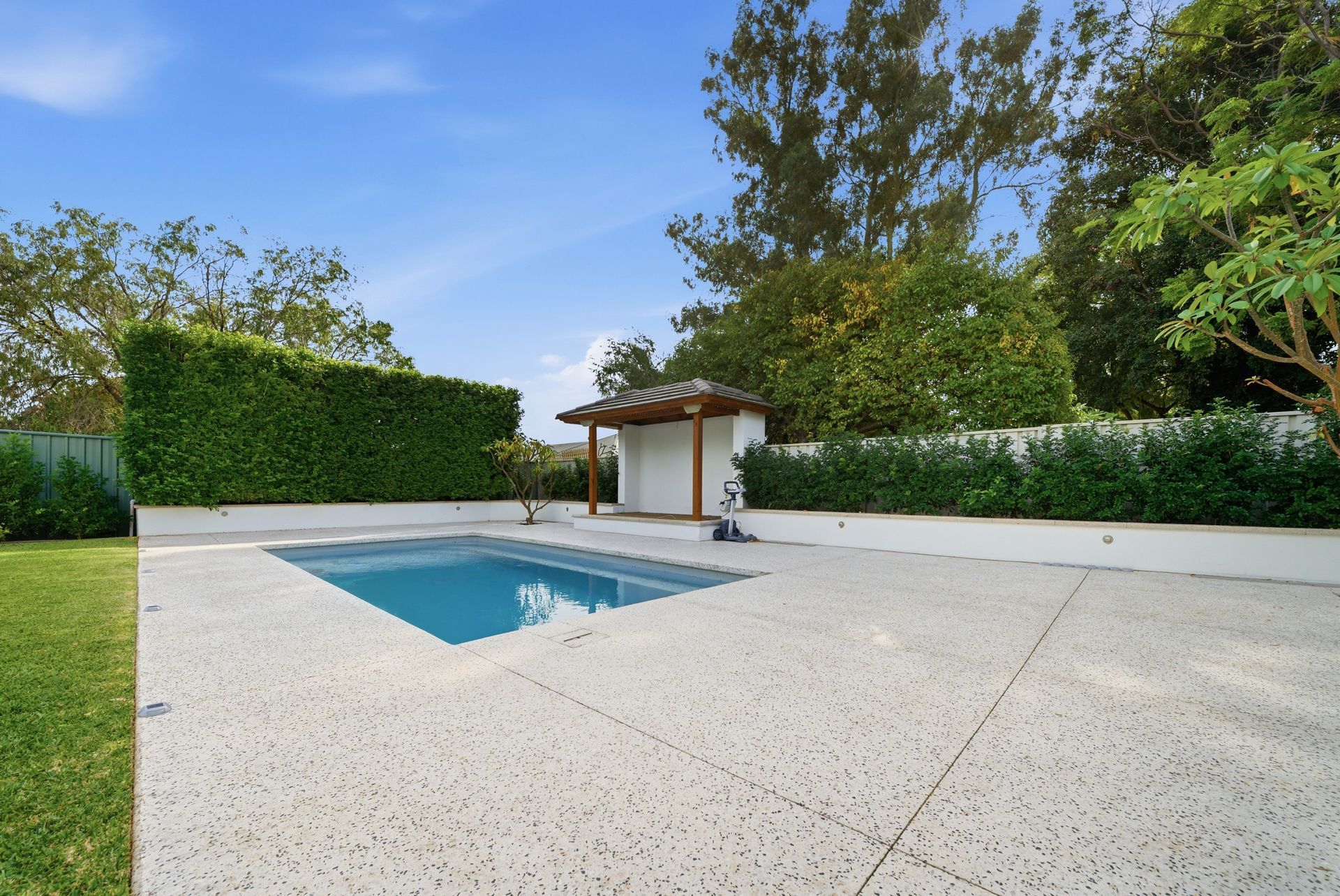
- Pool surrounds
- Alfresco areas
- Indoor–outdoor living spaces
You can also head over to our blog post for more information on maintaining honed concrete.
Plain & Coloured Concrete
Even standard concrete benefits from resealing to reduce staining and improve longevity.
7. Coastal WA Concrete Sealing Considerations
Homes near the coast require extra protection.
Suburbs such as:
- Scarborough
- Mindarie
- Hillarys
- Trigg
- City Beach
experience constant salt air exposure, which can accelerate surface wear if concrete is left unsealed.
Coastal concrete often benefits from more frequent inspection and maintenance.
8. Best Time of Year to Reseal Concrete in Perth
The ideal conditions for resealing are:
- Mild temperatures
- Dry weather
- Low moisture levels
In Perth, spring and autumn are generally the best times for resealing projects.
Avoid sealing during:
- Heavy rain periods
- Extreme summer heat
- High humidity conditions
9. Why Professional Sealing Matters
DIY sealing often fails because:
- Incorrect products are used
- Surfaces are not prepared properly
- Sealers are over-applied
- Poor weather conditions affect curing
Professional sealing ensures:
- Correct product selection
- Proper surface cleaning
- Even application
- Long-lasting protection
At
Handmade Concreting, we use sealing systems designed specifically for Perth conditions and decorative concrete finishes.
10. FAQs
Have a question or need some more info and don't see it below feel free to reach out to the team and we will get back to you as soon as possible.
How often should concrete be resealed in Perth?
Most concrete surfaces should be resealed every 3–5 years depending on exposure and traffic.
Does exposed aggregate need sealing?
Yes. Sealing protects the exposed stones and helps maintain colour and durability.
What happens if concrete is not sealed?
Concrete can stain, fade, absorb moisture and deteriorate more quickly without proper sealing.
Is sealing important for pool surrounds?
Absolutely. Pool areas experience constant moisture and chemical exposure, making sealing essential for durability and safety.
Can old concrete be resealed?
Yes. In many cases, existing concrete can be professionally cleaned and resealed to restore appearance and protection.
12. Final Thoughts
Concrete sealing is one of the simplest ways to protect your investment and extend the lifespan of decorative concrete surfaces in Perth.
Whether you have:
- A driveway
- Pool surrounds
- Alfresco area
- Side access path
- Exposed aggregate finish
regular resealing helps maintain durability, colour and long-term performance.
If you’re unsure whether your concrete needs resealing, Handmade Concreting can inspect your surface and recommend the best solution for Perth conditions.
Request
A Free Quote
Submit your request and we'll get back to you soon to organise a quote!